The Commodification of UI Design Is Here
AI-generated design is coming for the bottom of the market. Here's what that actually means for the industry.
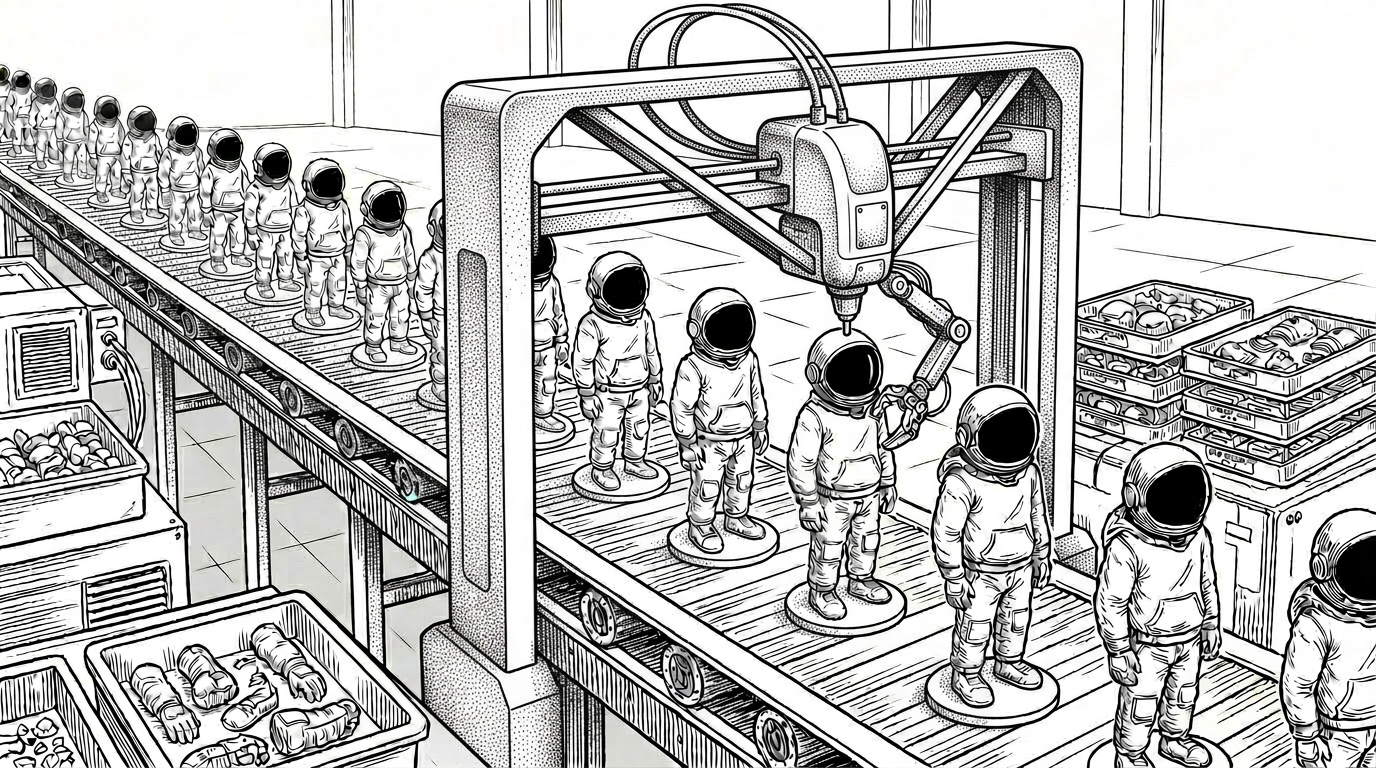
AI is making design cheaper. Not free, not perfect, but cheap enough to change the economics of the entire industry.
The effects of that shift are only starting to show up, and it's worth thinking through what they actually look like for clients, for teams, and for designers trying to figure out where they stand.
Generic by Default
AI-generated design will likely follow the same path as stock photography. Platforms like Shutterstock made visuals fast and affordable, but the tradeoff was context. The images were generic, interchangeable, built for no one in particular, so usable by almost anyone.
AI design output is trending the same way. A generated landing page works. A generated logo is functional. But it carries no point of view, no understanding of the specific user, no real connection to the problem being solved. It's design as a commodity, and like all commodities, it'll find its level.
That level is production-ready for a large chunk of the market, not because the output is great, but because it's good enough and nearly free.
Who Picks It Up First
The first wave of users will be the ones who never had a design budget to begin with. Early-stage startups, solo founders, small businesses running lean - they've always made do with Canva, templates, and borrowed assets. AI gives them something better than that, faster than that, at the same price.
This isn't a small segment. A significant portion of the digital products being built right now are being built without a designer in the room. AI-generated design won't pull clients away from professional designers so much as serve a demand that was never being served by professionals in the first place.
But as the tools improve, the ceiling rises. What starts as good enough for a startup's MVP starts to become good enough for their V2, their marketing site, their first hire's onboarding flow. The boundary between "needs a designer" and "AI can handle this" will keep moving.
Related

The Product Team Is Shrinking
Product teams are getting smaller - and that's not a setback. It's a shift in how software gets built, and what makes an engineer truly valuable.

The Missing Human in the AI Loop
Automation is eating support. And when the edge cases arrive - fraud, safety, harassment - there is no chatbot trained for that.

Tech Illiteracy Is Becoming a Social Threat
Technology is advancing faster than people can learn to use it safely. From ATMs to UPI to AI deepfakes, the gap between tech and literacy is exactly where scammers thrive.